
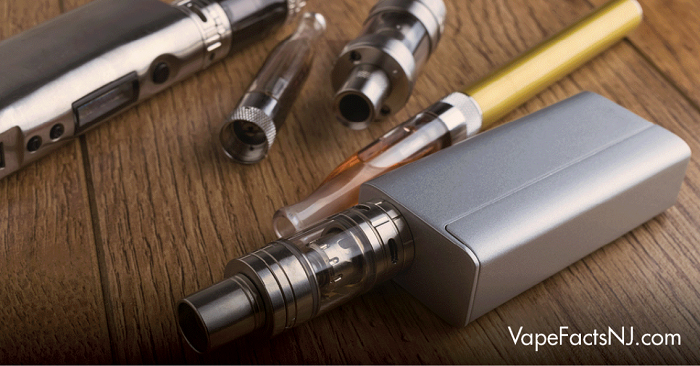
Vaping is the inhaling of an aerosol or vapour created by an electronic cigarette, vape pen, or personal vaporizer (known as “mods”). They are different from cigarettes in that they don’t burn (or combust) the inhaled substances. Vaping devices can be used to inhale variety of substances that are usually in liquid form. The device consists of a mouthpiece, a battery, a cartridge for e-liquid or e-juice, and a heating component that is powered by a battery. The battery heats up the heating component, which turns the contents of the e-liquid into an aerosol that is inhaled.
If you have thought about trying to kick a smoking habit, you’re not alone. Nearly 7 of 10 smokers say they want to stop. Quitting smoking is one of the best things you can do for your health — smoking harms nearly every organ in your body, including your heart. Nearly one-third of deaths from heart disease are the result of smoking and secondhand smoke. You might be tempted to turn to electronic cigarettes (e-cigarettes, vape pens, and other nondisposable and disposable vaping devices) as a way to ease the transition from traditional cigarettes to not smoking at all.
Electronic cigarettes (e-cigarettes) are battery-powered devices that come in many forms. They all heat liquids, called e-liquids, into an aerosol that users breathe in. They may contain nicotine, flavourings and a range of harmful and toxic chemicals. Many e-liquids come in flavours that are attractive to young people, such as mango, lime and mint. The e-cigarette heat may also produce toxic substances. They are also known as e-cigs, electronic nicotine delivery systems (ends), electronic non-nicotine delivery systems (ennds), alternative nicotine delivery systems (ands), personal vaporisers, e-hookahs, mods, vape pens, vapes and juuls (pronounced ‘jewels’). Using e-cigarettes is often called ‘vaping’. It is sometimes referred to as ‘juuling’.
The vape mod is a battery device, normally using lithium-ion batteries. These devices can come in many forms and sizes. They’re named accordingly, like box mods, vape pens, tube mods, to small designs called pod vapes and e-cigarettes. The term “mod” is a nod to the early days of vaping when users modified flashlights for more power. Nowadays, vape mods have a broad range of electronic features and power limits. Some are more advanced and can be adjustable in watts (variable wattage mods) or even controlled in temperature (temperature control mods); others have no adjustability and require no technological understanding from the user.
What are vaping devices?
E-liquid, also called e-juice or vape juice, is what vaping devices use to make the vapor you breathe in. E-liquids aren’t just water. They usually contain: flavoring. Each flavoring has its own set of ingredients. Nicotine, the addictive and harmful substance in cigarettes and other tobacco products. Propylene glycol and glycerin, used to create vapor. E-liquids and flavorings sometimes have other ingredients, including: chemicals that can cause cancer ( carcinogens ), like acetaldehyde and formaldehyde. Chemicals known to cause lung disease, such as acrolein, diacetyl and diethylene glycol. Thc (tetrahydrocannabinol), the chemical in marijuana that gets you “high. ”vitamin e acetate, linked to lung injury caused by vaping (evali, see below).
Vaping devices are popular among teens and are now the most commonly used form of nicotine among youth in the united states. Some research shows that many teens do not even realize that vaping cartridges contain nicotine, and assume the pods contain only flavoring. The easy availability of these devices, alluring advertisements, various e-liquid flavors, and the belief that they're safer than cigarettes have helped make them appealing to this age group. In addition, they are easy to hide from teachers and parents because they do not leave behind the stench of tobacco cigarettes, and are often disguised as flash drives.
By erika edwards hundreds of people nationwide have been hospitalized recently with severe cases of pneumonia or other lung illnesses — all believed to be directly linked to vaping. Investigators have not been able to pinpoint the exact cause. But here's what's known about what has been found inside vaping devices.
How do vaping devices work?
Vaping products (electronic cigarettes or e-cigarettes) are devices that heat a liquid into an aerosol that is inhaled (breathed in) into the lungs. These devices are commonly called vapes, mods, e-hookahs, sub-ohms, tank systems and vape pens. They may all look a bit different, but work in similar ways. The liquid (sometimes referred to as e-juice) in a vape product contains a combination of ingredients, usually including nicotine (the highly addictive drug found in tobacco products), propylene glycol, vegetable glycerine and flavouring. Many of these substances are considered safe for ingestion (eating); however, when these liquids are heated they create new chemicals that may not be safe to inhale.
The oregon poison center is working with local and state public health partners in oregon to track and monitor the nationwide outbreak of respiratory illnesses associated with use of vaping devices and e-cigarettes. Symptoms of e-cigarette and vaping associated lung injury (evali) include, cough, chest pain and trouble breathing after vaping. If you feel sick after vaping seek medical attention immediately. If you have questions about how vaping affects your health, contact your doctor or call the poison center 1-800-222-1222. Visit oregon health authority or the centers for disease control (cdc) for more information about evali.
Vaping involves heating a liquid and inhaling the aerosol into the lungs. With vaping, a device such as an e-cigarette is used that heats up a liquid (called vape juice or e-liquid) until it turns into a vapor that is inhaled. These devices are commonly called vapes, mods, e-hookahs, sub-ohms, tank systems, and vape pens. They may all look a bit different, but work in similar ways. These devices heat up various flavorings, nicotine, marijuana, or other potentially harmful substances. A cdc study found that 99% of the e-cigarettes sold in assessed venues in the united states contained nicotine.
There's limited research on the safety and long term health effects. However, health canada has issued an alert warning of a potential risk of pulmonary illness. Vaping is not a proven quit smoking aid. Learn about quit smoking options. Youth and vaping in niagara, 54 per cent of secondary school aged youth vaped at least once in their lifetime which is higher than tobacco use (ontario student drug use and health survey, 2019). Youth are especially susceptible to nicotine's negative effects, as it can interfere with brain development, which can affect things like memory and concentration. It's important for youth to know that vaping can be addictive and not just harmless water vapour.
The high-temperature vaporization process that produces the vaping aerosol can also generate undesirable chemical compounds. Most e-cig fluid is simply evaporated or aerosolized into a cloud of fine droplets on the hot coils, but some is chemically altered or contaminated with trace heavy metals shed from the coil, including non-negligible amounts of toxic metals like lead. Toxic metals like lead are hard for our bodies to process. Because of this, repeated exposure can result in the metal building up in the body and causing damage to the brain, kidneys, and other vital organs. It's still not known how much of these toxic metals actually are taken in by the body while vaping or whether the amounts found in e-cigarettes can affect health long term.